Dark Rooms, Dying Plants, and the Science Nobody Told You About Low-Light Gardening
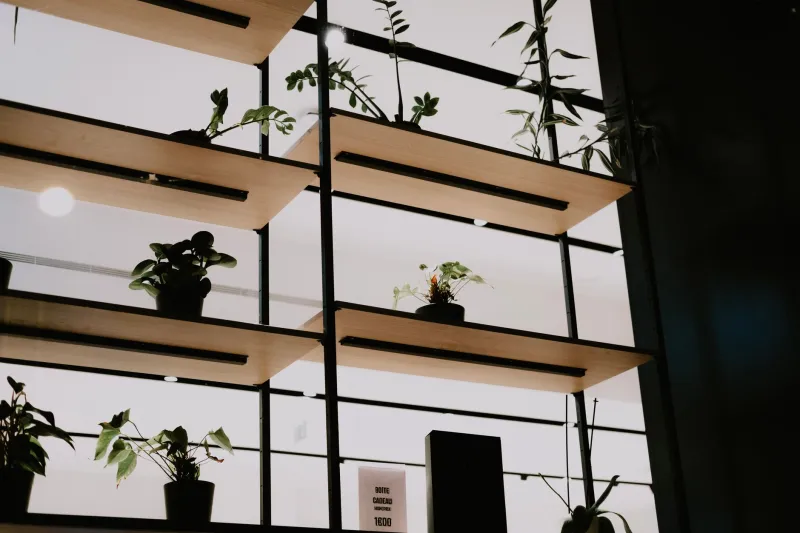
Let's be honest about something: the phrase "low-light plant" is doing a lot of heavy lifting in the gardening world, and it's been quietly misleading teachers for years.
You bought the pothos. You followed the tag. You set it on a shelf in your interior classroom, the one with one small window that faces a brick wall, and you waited. Six weeks later, the leaves were yellowing, the stems were stretching toward the door like something out of a horror movie, and you were left wondering what you did wrong.
Here's the thing — you probably didn't do anything wrong. You were just working with incomplete information. And that, as it turns out, is one of the best teachable moments you'll ever stumble into.
What "Low-Light" Actually Means (Hint: It's Not What the Tag Says)
Plant tags are written by marketers, not botanists. When a label says "thrives in low light," what it usually means is "can survive in lower light than most plants" — not "will happily photosynthesize under fluorescent tubes in a room with no windows."
For students learning about photosynthesis, this is gold. Light isn't just a preference for plants; it's fuel. Chlorophyll molecules in plant cells literally capture photons and use that energy to convert carbon dioxide and water into glucose. Without adequate light, that process slows to a crawl. The plant isn't thriving — it's rationing.
This is why you'll see etiolation, the scientific term for that eerie, pale, stretched-out growth pattern in light-deprived plants. The plant is reaching. It's allocating every bit of energy it has toward finding a light source. It's not dying dramatically; it's problem-solving desperately. That's actually a fascinating adaptation story, and your students should hear it told exactly that way.
The Real Culprits Beyond the Darkness
Low light is the obvious villain, but it rarely acts alone. In most struggling classroom plants, it's got accomplices.
Overwatering in low light. This is the big one. When a plant isn't photosynthesizing much, it's also not drinking much. Soil that would dry out in three days near a bright window might stay soggy for two weeks in a dim corner. That waterlogged soil becomes an oxygen-depleted environment where root rot thrives. Most teachers water on a schedule rather than checking soil moisture first — and in a dark classroom, that schedule is almost always too frequent.
The wrong pot. Terra cotta breathes; plastic doesn't. In a low-light situation where drying out is already slow, a plastic pot with poor drainage turns a damp root zone into a swamp. Switching to terra cotta or adding a layer of perlite to your potting mix can meaningfully extend how long your plant's roots stay healthy.
Dust on leaves. This one surprises people. Indoor plants in classrooms — especially near chalkboards, dry-erase boards, and HVAC vents — accumulate a surprising amount of dust on their leaves. That dust physically blocks the light-absorbing surface area of the leaf. In a bright room, it barely matters. In a dim room, every photon counts. A monthly wipe-down with a damp cloth isn't just good plant hygiene; it's a genuine survival strategy.
Temperature stress near vents. Many interior classrooms have HVAC vents positioned right where you'd want to put a plant — along walls and near the ceiling. Cold drafts and hot blasts of dry air stress plants in ways that look a lot like light deficiency but aren't.
Choosing the Right Species (For Real This Time)
Some plants genuinely handle low-light conditions better than others, but the list is shorter than Instagram would have you believe. Here are the species that actually hold up in dim classrooms, not just survive for a few photogenic weeks before slowly declining:
- ZZ plant (Zamioculcas zamiifolia): This one stores water in its rhizomes, making it extraordinarily forgiving of both low light and irregular watering. It's practically designed for the forgetful classroom.
- Cast iron plant (Aspidistra elatior): The name is not an accident. This species was a Victorian parlor staple precisely because it survived gas-lit rooms with minimal sunlight.
- Pothos (Epipremnum aureum): A genuine low-light performer, but only if you scale back watering significantly. The mistake isn't choosing pothos — it's watering it like it's in a sunny spot.
- Snake plant (Dracaena trifasciata): Stores water in its leaves and tolerates neglect well. Just don't let it sit in soggy soil.
- Peace lily (Spathiphyllum): One of the few flowering plants that genuinely tolerates shade. Bonus: it droops visibly when thirsty, which makes it an excellent watering-schedule teaching tool.
Making Artificial Light Work for You
Here's a strategy that more classrooms should be using: grow lights. They've gotten dramatically cheaper and more energy-efficient in the last decade, and a basic full-spectrum LED grow bulb that screws into a standard lamp socket costs less than ten dollars. You don't need a fancy setup — a clamp lamp from a hardware store and the right bulb can transform a dark corner into a genuinely viable growing space.
The science lesson here is rich. Full-spectrum light mimics sunlight by providing both the red and blue wavelengths that chlorophyll absorbs most efficiently. You can actually demonstrate this with a prism or a simple diffraction experiment, showing students which colors of light plants use and why a regular incandescent bulb (heavy on yellow and green, which plants reflect) doesn't do the job as well as a grow light does.
If budget is a concern — and we know it almost always is — this is a great candidate for a small classroom grant or a DonorsChoose project. A single grow light serving a cluster of plants near a student workstation is an easy, compelling ask.
The Lesson Inside the Struggle
Here's what we really want students to walk away understanding: adaptation isn't magic. It's a set of real, physical strategies that living things develop over evolutionary time in response to genuine environmental pressure. Low-light plants haven't given up on photosynthesis — they've optimized for it under difficult conditions. Larger leaves to capture more surface area. Slower metabolism to conserve energy. Deeper green pigmentation to maximize chlorophyll density.
When a plant in your classroom is struggling, that's not failure — that's data. It's the plant communicating something about its environment, and learning to read those signals is exactly the kind of observational science we want students practicing.
A dark classroom isn't a reason to give up on plants. It's a reason to choose more carefully, care more thoughtfully, and teach more honestly about what plants actually need to survive. That's not a consolation prize. That's the whole point.
Start with a ZZ plant in a terra cotta pot. Check the soil before you water. Wipe the leaves once a month. And let the story of how that plant is coping with its environment become part of your curriculum — because it already is, whether you planned it that way or not.