A Plant In Every Classroom Growing Greener Minds, One Classroom at a Time

A Plant In Every Classroom

Growing Greener Minds, One Classroom at a Time

Latest Articles

Succulents Are Great. But Are They Quietly Letting Your Students Off the Hook?
Environmental Education

Succulents Are Great. But Are They Quietly Letting Your Students Off the Hook?

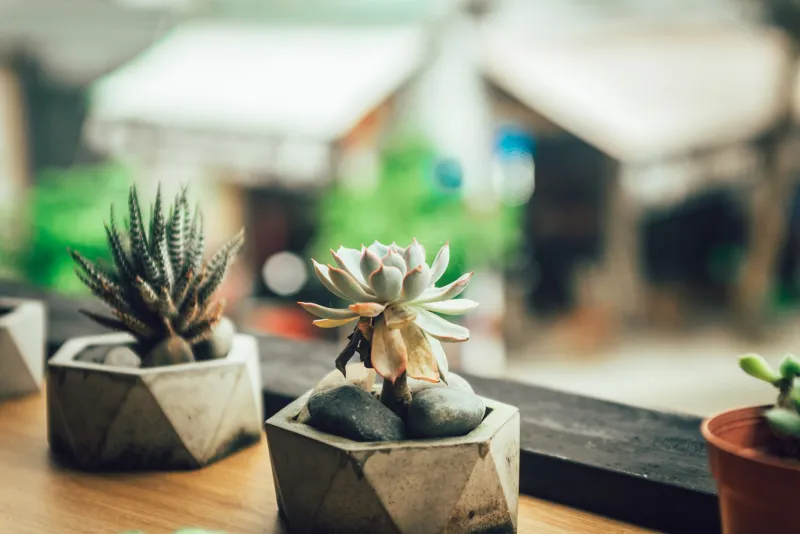
Succulents have become the default classroom plant — low-maintenance, forgiving, and nearly impossible to kill. But what if that's exactly the problem? Here's why the easiest plant in the room might be teaching kids the hardest-to-unlearn lesson about how nature actually works.

Too Much Love, Too Little Oxygen: The Overwatering Mistake That's Quietly Killing Your Classroom Plants
Classroom Projects

Too Much Love, Too Little Oxygen: The Overwatering Mistake That's Quietly Killing Your Classroom Plants

It turns out the most common way educators accidentally kill classroom plants isn't neglect—it's kindness. Overwatering is the silent culprit behind most indoor plant deaths, and understanding the science behind it could transform your next botanical disaster into your best STEM lesson of the year.

Your Classroom Plant Has a Cold—And That's the Best Lesson You'll Teach All Year
Classroom Projects

Your Classroom Plant Has a Cold—And That's the Best Lesson You'll Teach All Year

That fuzzy white patch on your classroom basil isn't a disaster—it's a doorway into one of the most important science concepts your students will ever encounter. Plant diseases like powdery mildew and root rot are living, observable models for understanding how infections spread, how immune systems respond, and why washing your hands actually matters. Here's how to turn a sick plant into a full-blown microbiology unit.

Your Classroom Pot of Dirt Is Teeming With Life—And It Looks a Lot Like You
Environmental Education

Your Classroom Pot of Dirt Is Teeming With Life—And It Looks a Lot Like You

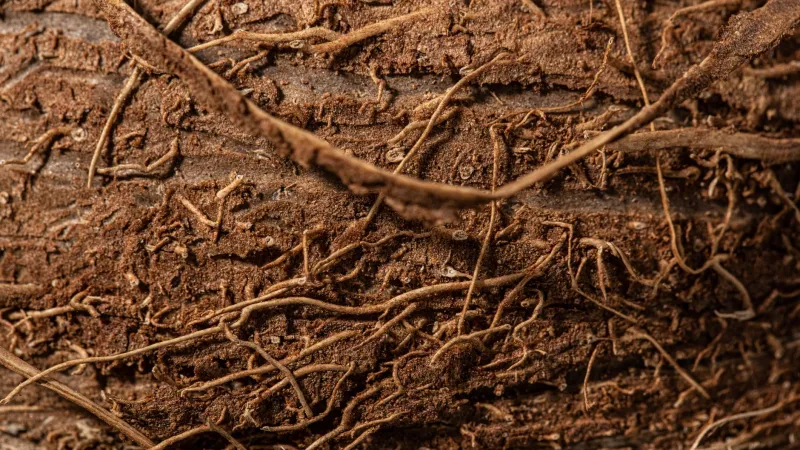
That humble pot of soil sitting on your windowsill isn't just keeping a plant alive—it's hosting a microscopic civilization. By exploring the bacterial networks and fungal webs living in classroom soil, students can draw surprising parallels to the complex microbial ecosystems thriving inside their own bodies.

Your Potted Plant Is a Physics Lab: Using Photosynthesis to Make Chemistry Click
Classroom Projects

Your Potted Plant Is a Physics Lab: Using Photosynthesis to Make Chemistry Click

Abstract chemistry and physics concepts don't have to live on a whiteboard. When you hand students a living plant and a few simple tools, photosynthesis stops being a memorization exercise and starts being a genuine scientific investigation. Here's how classroom greenery can transform the way students understand energy, matter, and the invisible chemistry happening all around them.

From Seed to Career: How a Little Pot of Soil Is Planting the Seeds of Environmental Engineering
Environmental Education

From Seed to Career: How a Little Pot of Soil Is Planting the Seeds of Environmental Engineering

Something unexpected happens when a kid spends a school year nurturing a plant from seedling to full bloom — they start asking questions that sound a lot like engineering problems. Across the country, educators are noticing that hands-on botanical work in classrooms is quietly nudging students, especially those from underrepresented communities, toward green STEM careers. Here's what the data — and the students themselves — are saying.

Not All Green Is Created Equal: The Science Behind Which Classroom Plants Actually Do Something
Environmental Education

Not All Green Is Created Equal: The Science Behind Which Classroom Plants Actually Do Something

A lot of teachers put a pothos on the windowsill and call it an air purifier. The science, though, tells a more complicated story. Here's what the research actually says about which plants pull real weight in your classroom — and which ones are mostly just pretty.

When the Walls Sweat: How Classroom Plants Are Helping Urban Schools Beat the Heat
Environmental Education

When the Walls Sweat: How Classroom Plants Are Helping Urban Schools Beat the Heat

Urban schools trapped in concrete-heavy neighborhoods are quietly discovering a low-tech, high-impact solution to sweltering classrooms: plants. From windowsill clusters to rooftop garden installations, educators are turning botanical science into a climate survival strategy — and a seriously compelling lesson in the process.

It Takes a Village to Raise a Ficus: Building a Plant Care Community in Your School
Classroom Projects

It Takes a Village to Raise a Ficus: Building a Plant Care Community in Your School

One teacher shouldn't have to be the sole guardian of every leaf and stem in the building. Here's how to spread the love — and the watering can — across your entire school community so that classroom plants actually survive and thrive all year long.

One Plant, One Kid, One Whole School Year: What Happens When Students Become Botanical Mentors
Classroom Projects

One Plant, One Kid, One Whole School Year: What Happens When Students Become Botanical Mentors

What if a single potted plant could teach a child more about responsibility, empathy, and interconnected systems than any worksheet ever could? Educators across the country are discovering that long-term, one-on-one plant mentorship programs are doing exactly that — and the results are hard to ignore.

Dirt Under Their Fingernails, Data on the Board: The Science Behind Plants and Student Achievement
Environmental Education

Dirt Under Their Fingernails, Data on the Board: The Science Behind Plants and Student Achievement

A growing body of research suggests that students who regularly tend to living plants don't just develop greener thumbs—they score measurably higher on science assessments. We dug into the data, talked to teachers who've seen it firsthand, and came back with a compelling case for bringing more green into your classroom.

Gone for a Week, Back to a Graveyard: How to Keep Classroom Plants Alive Over Spring Break
Classroom Projects

Gone for a Week, Back to a Graveyard: How to Keep Classroom Plants Alive Over Spring Break

Spring break is supposed to be a time to recharge — but for classroom plants, it's often a death sentence. Learn the science behind why extended school closures hit your greenery so hard, and discover how students can engineer clever watering solutions before the last bell rings.

What a Few Potted Plants Did for One of the Most Underfunded Schools in America
Environmental Education

What a Few Potted Plants Did for One of the Most Underfunded Schools in America

Schools in under-resourced communities are discovering that strategic greenery—from hallway planters to rooftop gardens—can shift the entire emotional and academic climate of a building. The research on biophilic design is compelling, but the real stories coming out of these schools are even more so. Here's what happens when educators stop waiting for a renovation budget and start growing their way to change.

The Neighborhood Is the Field Trip: Finding Native Plants Right Outside Your School's Front Door
Environmental Education

The Neighborhood Is the Field Trip: Finding Native Plants Right Outside Your School's Front Door

You don't need a forest or a nature preserve to teach kids about native plants. For urban educators, the cracked sidewalk, the weedy median, and the corner community garden are all legitimate classrooms waiting to be unlocked.

When the Classroom Becomes a Nursery: Student-Grown Plants Are Taking Root Across Entire Communities
Environmental Education

When the Classroom Becomes a Nursery: Student-Grown Plants Are Taking Root Across Entire Communities

What starts as a simple cutting in a classroom cup can end up cleaning the air in a neighbor's living room, a public library, or a community center down the street. Student-led plant propagation programs are quietly turning schools into neighborhood green hubs — and the ripple effects are bigger than most people realize. Here's how to scale your classroom plant initiative into something the whole community can feel.

Twelve Months, One Thriving Classroom: A Seasonal Plant Care Playbook for Educators
Classroom Projects

Twelve Months, One Thriving Classroom: A Seasonal Plant Care Playbook for Educators

Keeping classroom plants alive isn't just about watering—it's about understanding how the seasons throw curveballs at your indoor garden. This month-by-month guide helps teachers stay ahead of winter heat blasts, summer closures, and everything in between, while turning seasonal plant care into a living science curriculum.

Your Best Science Fair Entry Might Already Be Growing on Your Windowsill
Environmental Education

Your Best Science Fair Entry Might Already Be Growing on Your Windowsill

Routine plant care is secretly packed with scientific potential—and teachers who know how to unlock it are watching their students walk away with science fair ribbons and, more importantly, a genuine understanding of how research works. Here's how to turn your classroom garden into a launchpad for student-led investigations that go way beyond the baking soda volcano.

Don't Throw Out That Dead Plant: What Botanical Casualties Teach Kids About Life
Environmental Education

Don't Throw Out That Dead Plant: What Botanical Casualties Teach Kids About Life

That crispy, brown, definitely-not-coming-back plant on your windowsill isn't a failure—it's a lesson waiting to happen. Instead of quietly tossing botanical casualties into the trash before students notice, educators can use dead and dying plants to open up some of the richest conversations in science. Death, it turns out, is one of the most important things we can teach kids about life.

Hardy, Humble, and Basically Indestructible: 15 Plants Perfect for Real Classrooms
Classroom Projects

Hardy, Humble, and Basically Indestructible: 15 Plants Perfect for Real Classrooms

Not every classroom plant needs a dedicated caretaker, a watering schedule on the whiteboard, and a student volunteer who actually remembers to show up. Some plants are practically designed for the chaos of a school day—irregular attention, fluorescent lighting, and the occasional three-week winter break. Here are 15 species that will not only survive your classroom but might actually help your students discover they have a green thumb after all.

Grow It, Snip It, Eat It: Why a Classroom Herb Garden Might Be the Tastiest Science Lesson You've Ever Taught
Environmental Education

Grow It, Snip It, Eat It: Why a Classroom Herb Garden Might Be the Tastiest Science Lesson You've Ever Taught

Microgreens on a windowsill. Basil sprouting in a repurposed yogurt container. A handful of cherry tomatoes that a second-grader grew herself and then, astonishingly, chose to eat. Growing edible plants in classrooms doesn't just teach botany — it rewires how students think about food, health, and where their meals actually come from.