Twelve Months, One Thriving Classroom: A Seasonal Plant Care Playbook for Educators

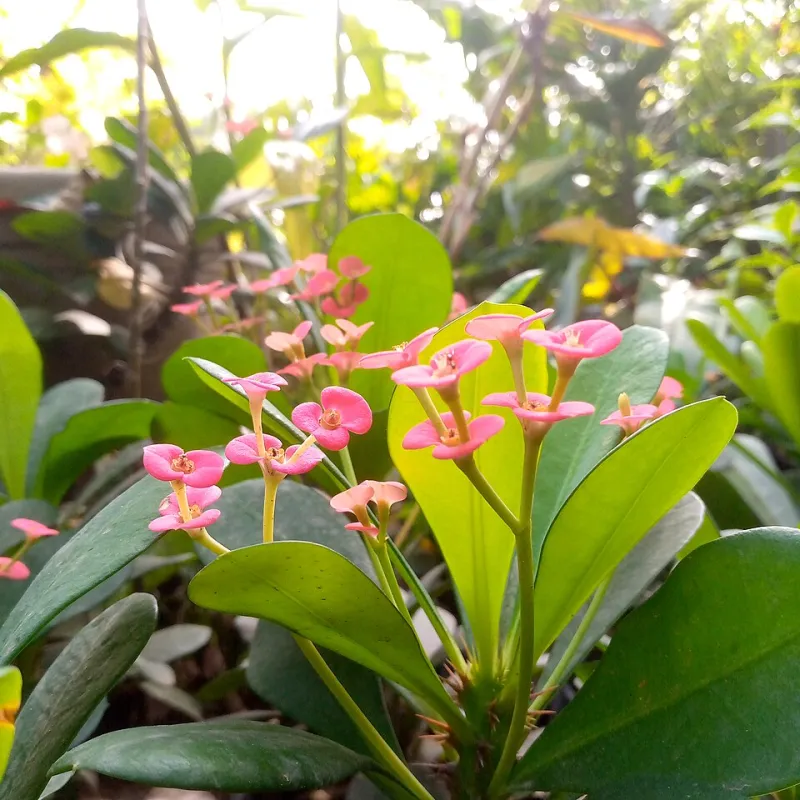
Photo: Harrison Keely, CC BY 4.0, via Wikimedia Commons
Ask any teacher who's kept plants in their classroom for more than a year, and they'll tell you the same thing: the plants that thrive in October look completely different by February. That's not a failure of effort. That's seasons doing what seasons do. The heating kicks on, the light shifts, the kids disappear for three months, and suddenly your once-lush pothos looks like it gave up on life.
The good news? Seasonal change is predictable. And when you know what's coming, you can plan for it—and more importantly, you can teach your students to plan for it too. Plants don't just survive the calendar year; they respond to it. That response is one of the most powerful science lessons hiding in plain sight in your classroom.
Here's how to work with the seasons instead of against them.
Fall (September–November): Setting the Stage for a Long Haul
September feels like a fresh start, and for your classroom plants, it kind of is. You're back from summer break (more on surviving that later), the windows are still letting in decent light, and temperatures are mild. This is prime time to get organized.
Start by doing a full plant audit. Repot anything that's rootbound, refresh tired soil, and take stock of what survived the summer. If you're introducing new plants, fall is a great moment because students are engaged and curious—they haven't hit mid-year fatigue yet.
As October rolls in, pay attention to the light. Days are getting shorter, and plants near east- or west-facing windows may need to shift toward south-facing spots. This is a fantastic opportunity to introduce students to the concept of photoperiodism—how plants detect changes in daylight length and respond accordingly. Some plants begin to slow their growth. Others, like certain succulents, actually prefer the cooler, lower-light conditions of fall.
By November, ease up on fertilizing. Most indoor plants slow their metabolic activity as light decreases, and pushing fertilizer on a plant that's heading into a rest period is like feeding someone a five-course meal right before bed. Not helpful.
Winter (December–February): The Survival Season
This is where most classroom plants meet their doom—not from cold, but from heat. School heating systems blast dry, hot air through vents, often positioned right beneath windows where your plants are sitting. The result is soil that dries out fast, humidity that drops to desert levels, and leaves that crisp at the edges.
Move plants away from heating vents. Seriously, this single step will save more plant lives than anything else you do in winter. Group plants together when possible—they create a microclimate of slightly higher humidity around each other.
Watering frequency often needs to decrease in winter, not increase. Even though the air feels dry, many plants are in a low-growth phase and don't need as much water. Overwatering a dormant plant is one of the most common mistakes teachers make. Teach students to check soil moisture by pressing a finger an inch into the soil rather than watering on a fixed schedule. That small habit shift is a genuine lesson in observation over assumption.
December brings winter break, which means your plants will be alone for two or three weeks. Before you leave, water thoroughly, move plants away from cold drafts near windows, and consider asking a custodial staff member to give things a check if your school allows it. Self-watering pots or simple wicking systems made from yarn and a water reservoir are easy DIY solutions students can help build before the break.
Spring (March–May): The Comeback Season
Spring is when your classroom transforms. Light returns, plants shake off their winter sluggishness, and suddenly everything wants to grow at once. This is genuinely exciting—but it requires some recalibration.
Resume regular fertilizing in March or April once you notice new growth. Increase watering gradually as plants become more active. This is also a good time to propagate: take cuttings, divide root-bound plants, and start seeds. Spring propagation projects connect perfectly with lessons about plant reproduction and give students something tangible to track.
One real challenge in spring is allergens. As outdoor plants bloom and pollen floats through open windows, students with seasonal allergies may be more sensitive. Stick with low-pollen indoor plants and avoid flowering varieties that release significant pollen. Peace lilies, snake plants, and ferns are all good spring-safe choices.
Spring also brings standardized testing season, which means your plant care routines can double as stress-relief touchstones. Research consistently shows that tending to living things reduces anxiety. A five-minute watering check before a big test isn't a distraction—it's a regulation strategy.
Summer (June–August): The Great Plant Survival Challenge
Summer is the season that humbles even the most dedicated plant parents. School's out, the AC may be running on a skeleton schedule, and no one is watering anything.
Start planning in May. Identify which plants can go home with students or staff. Many families are happy to adopt a classroom plant for the summer, especially if you send it home with care instructions. Turn it into a project: students write care guides for their temporary plant, then report back in the fall on how it did.
For plants that have to stay, choose the most drought-tolerant specimens—ZZ plants, cast iron plants, and certain cacti can handle weeks of neglect. Move everything away from direct summer sun through south-facing windows, which can get intense enough to scorch leaves. Self-watering pots are worth the investment for summer survival.
If your school's summer temperatures spike (a growing concern in many parts of the US as heat events become more common), check with your administration about AC protocols and advocate for your classroom plants as part of the school's living infrastructure. That's not a stretch—it's environmental literacy in action.
Making the Calendar a Curriculum
Here's the thing about a seasonal care routine: it's not just logistics. Every adjustment you make—moving plants toward light, easing off fertilizer, watching for new growth—is a teachable moment. Students who observe their classroom plants across a full school year develop an intuitive understanding of biological cycles that no textbook can replicate.
Consider keeping a class plant journal that documents care decisions month by month, with notes on what worked and what didn't. By May, that journal is a genuine scientific record. By the following September, it's a reference guide your new students can actually use.
The classroom plant isn't just a decoration. It's a living clock, ticking through the same seasonal rhythms that govern every ecosystem on Earth. When students learn to read those rhythms, they're not just keeping a plant alive—they're learning to pay attention to the natural world. And that skill? It lasts a lifetime.