Grow It, Snip It, Eat It: Why a Classroom Herb Garden Might Be the Tastiest Science Lesson You've Ever Taught
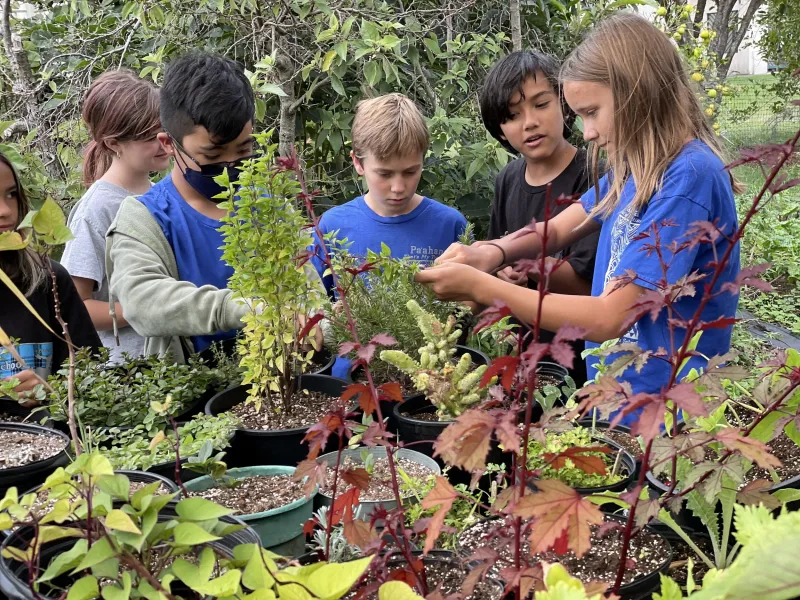
Photo: elementary students harvesting herbs and microgreens in classroom garden, via images.squarespace-cdn.com
Something kind of magical happens when a kid grows food and then eats it. The same student who wouldn't touch a piece of arugula at the school cafeteria will pop a freshly snipped microgreen into their mouth without hesitation — because they grew it, they watched it emerge from a seed, and now it's theirs in a way that cafeteria food simply never is.
That's not just anecdotal. Research consistently shows that children who participate in growing food are significantly more likely to try and enjoy vegetables and herbs than those who don't. And in a country where diet-related health issues affect millions of kids, and where food insecurity touches roughly one in five households with children, that willingness to engage with fresh food is more than a cute classroom moment. It's genuinely important.
The good news? You don't need a school garden, a greenhouse, or a particularly green thumb to make this happen. A south-facing windowsill, a grow light, and about thirty dollars in supplies can turn any classroom into a functioning micro-farm.
Why Edible Plants Specifically?
There's a reason we focus on edible plants rather than ornamentals for this kind of project, and it goes beyond the obvious appeal of snacks.
When students know they're going to eat what they're growing, the stakes feel real in a way that's hard to manufacture otherwise. They pay closer attention. They're more careful about watering schedules. They notice changes in leaf color and texture because those changes directly affect something they're invested in. The plant isn't just a science subject — it's a project with a payoff they can taste.
Edible plants also naturally open doors to conversations that ornamentals don't. Why do plants make nutrients? Where does the flavor in basil come from? What does it mean that some communities have easy access to fresh herbs and vegetables and others don't? Suddenly you're not just doing botany — you're doing nutrition science, environmental justice, and food systems education, all from the same little pot of soil.
Setting Up Your Classroom Micro-Garden
Start simple. Seriously. The number-one mistake teachers make with classroom gardens is going too big too fast, burning out, and abandoning the whole thing by October. A few containers done well beats an elaborate setup that falls apart.
Here's what you actually need to get started:
Containers: Almost anything with drainage holes works. Repurposed yogurt containers, cafeteria trays lined with perlite, small terra cotta pots, or purpose-built seed-starting trays all do the job. If you're going the repurpose route, this is itself a great conversation starter about reducing waste.
Growing medium: A lightweight seed-starting mix works better than regular potting soil for most edible plants, especially microgreens. It drains well and doesn't compact as quickly.
Light: A south-facing window is your best free resource. If your classroom faces north or gets limited natural light, an inexpensive full-spectrum LED grow light (available for under $25 online) makes an enormous difference and can actually become a focal point of the classroom setup.
Water: Consistency matters more than quantity. A small spray bottle is perfect for microgreens and seedlings — it prevents overwatering and gives students a satisfying, low-stakes watering task.
What to Grow (by Age Group)
Not every edible plant is equally suited to a classroom environment, and age-appropriateness matters both for the plant's success and for student engagement.
Grades K–2: Microgreens are the absolute best choice for younger students because they germinate in two to three days and are ready to harvest in seven to fourteen days. That's a complete growth cycle within a single school unit. Sunflower shoots, radish greens, and pea shoots are mild-flavored, easy to grow, and genuinely fun to snip with small scissors. Cress is another excellent option — it practically grows itself and is fast enough to hold a kindergartner's attention.
Grades 3–5: Herbs like basil, mint, and chives work beautifully at this level. Students can manage a slightly longer growth timeline and are ready to observe and record more detailed changes. Basil in particular is a fantastic classroom plant because it responds visibly and quickly to pinching (harvesting the top leaves actually makes the plant bushier and more productive — a counterintuitive fact that tends to stick with kids).
Grades 6–8: Middle schoolers can take on more complex projects. Cherry tomatoes grown under a grow light, dwarf varieties of lettuce, or a multi-herb windowsill garden that students design themselves all work well. This is also the age where food justice conversations can go deeper — why do some neighborhoods have twelve fast-food restaurants and zero grocery stores? What does it mean to grow your own food in that context?
Connecting the Harvest to Bigger Ideas
The eating part matters, but so does the conversation around it.
When students harvest their microgreens or snip fresh basil, take a few minutes to talk about what they're actually consuming. Where did the nutrients in those leaves come from? (The soil, the water, the light — photosynthesis is suddenly not abstract anymore.) What would it have cost to buy this at a grocery store? Is that grocery store accessible to everyone in the community?
For older students, this is a natural entry point into discussions about food deserts, the environmental cost of industrial agriculture, and the growing urban farming movement. Organizations like the USDA's People's Garden initiative and community projects across cities like Detroit, Chicago, and Los Angeles are doing incredible work connecting urban communities to food sovereignty — and your classroom herb garden, humble as it is, connects to all of that.
You can also bring in the nutrition angle without making it feel like a health lecture. Let students research what vitamins are in the herbs they're growing. Have them create a simple recipe using their harvest — even just a compound butter with chives or a class-made caprese salad with fresh basil — and share it with another class or with parents at a school event.
The Bigger Picture in a Small Pot
A classroom herb garden won't solve food insecurity. It won't single-handedly fix the way American kids relate to vegetables. But it does something quieter and maybe more durable: it gives students a direct, physical experience of where food comes from and what it takes to grow it.
That experience changes things. Students who've grown food tend to think differently about what they eat, about waste, about the labor behind agriculture, and about their own capacity to create something nourishing from almost nothing.
And honestly? The basil tastes better when you grew it yourself. That's just science.